
Commercial Construction Financing: Requirements, Terms and Process
Commercial construction financing is built around project readiness, sponsor strength, a verified budget and a credible repayment strategy. This guide explains the requirements, terms and process for qualified projects.

Commercial construction financing provides capital for eligible project costs through a controlled draw process. Depending on the project and sponsor, the financing may cover ground-up development, a major renovation, an expansion, adaptive reuse or the completion of a partially built asset. The most suitable structure depends on project type, location, total cost, sponsor equity, construction readiness and the proposed exit.
Key takeaway: A lender-ready request must answer four questions clearly: What is being built? Who can deliver it? How will the project remain fully funded through completion? How will the construction loan be repaid?
What Is Commercial Construction Financing?
A commercial construction loan is a short- or intermediate-term facility used to finance the development or substantial improvement of income-producing or owner-occupied commercial property. Unlike a permanent mortgage, the full principal is not normally advanced on day one. Funds are released in stages as eligible work is completed and documented.
The borrower may pay interest only on the amount drawn during construction, subject to the loan agreement. At completion, the facility is usually repaid through permanent financing, a sale, operating cash flow or another defined capital event. Some transactions are structured as construction-to-permanent loans, while others require a separate refinance after completion and stabilization.
Potential uses include:
• Office, industrial, logistics, retail, hospitality, healthcare and mixed-use development
• Owner-occupied facilities such as manufacturing plants, medical buildings or corporate premises
• Major renovations, conversions and adaptive-reuse projects
• Tenant improvements and repositioning programs that are substantial enough to require staged funding
• Site work, infrastructure, approved soft costs and other eligible development expenses
How Commercial Construction Loans Work
At closing, the lender commits to a maximum facility based on an approved sources-and-uses schedule and construction budget. The borrower contributes the required equity according to an agreed funding sequence. As work progresses, the borrower submits draw requests supported by invoices, payment applications, lien waivers and updated project information.
The lender or its construction consultant verifies progress, checks that requested costs are eligible and confirms that the remaining budget is sufficient to complete the project. Approved funds are then advanced. This cycle continues until completion, subject to the loan documents, inspections and any holdback or retainage requirements.
This controlled process is central to construction lending. It helps ensure that loan proceeds remain tied to verified improvements and that emerging budget or schedule problems are identified early.
Commercial Construction Financing Requirements
Requirements vary by lender, property type, jurisdiction and risk profile. However, most providers evaluate the following areas.
Requirement 1: Experienced Sponsor and Development Team
Capital providers want evidence that the sponsor and its team can execute the proposed plan. Relevant experience may include completed projects of similar size and type, knowledge of the local market, financial capacity, contractor oversight and successful management of cost or schedule challenges. The lender may review the experience of the developer, general contractor, architect, engineer, property manager and key consultants.
Requirement 2: Meaningful Sponsor Equity
Sponsors are generally expected to invest meaningful cash equity and may need to fund it before or alongside lender advances. The required amount is transaction-specific and can be affected by land value, prior eligible costs, appraised value, project complexity, presales or preleasing, sponsor strength and the capital provider's policy. Claimed land equity or contributed value usually must be supported by acceptable documentation and valuation.
Requirement 3: Site Control, Zoning and Permits
A financeable project needs clear site control through ownership, a purchase agreement, a long-term lease or another acceptable right. Capital providers may require evidence of title, access, utilities, zoning compliance, entitlements, environmental review and building permits. If approvals remain outstanding, the lender will evaluate whether they are routine conditions or material risks to timing and completion.
Requirement 4: Detailed Plans, Budget and Schedule
The construction package should include sufficiently developed plans and specifications, a line-item budget, contractor pricing, a draw schedule and a realistic completion timeline. A third-party cost review may be required. The budget should address hard costs, soft costs, financing expenses, interest carry, taxes, insurance, contingencies and any operating deficit during lease-up or stabilization.
Requirement 5: Qualified Contractor and Construction Contract
Lenders commonly review the general contractor's experience, financial capacity, licensing, insurance, litigation history, current workload and performance on comparable projects. The construction contract should align with the budget and plans and clearly allocate responsibility for changes, delays and cost overruns. Depending on the transaction, guarantees, bonding or other completion support may be requested.
Requirement 6: Supportable Value and Market Demand
An appraisal or other acceptable valuation may consider the land, current improvements and projected value when complete and stabilized. Market studies, leases, tenant commitments, presales, operating history or demand analysis can help support the revenue assumptions. Capital providers will test whether projected rents, occupancy, sales velocity and operating costs are realistic.
Requirement 7: Credible Repayment or Exit Strategy
The construction facility must have a practical source of repayment. For an income-producing property, this may be a permanent loan supported by stabilized net operating income. Other exits may include a property sale, unit sales, owner-occupant cash flow or committed takeout financing. The lender will examine timing, conditions and downside resilience rather than relying on an unsupported future refinance.
Requirement 8: Financial Capacity, Guarantees and Liquidity
Sponsors may be asked for financial statements, tax returns, liquidity verification, real-estate schedules, contingent-liability information and credit authorization. Depending on the structure, completion guarantees, repayment guarantees, carry guarantees, environmental indemnities or other support may be required. The sponsor should also demonstrate the ability to absorb approved changes, timing delays and costs that are not eligible for loan funding.
Key Commercial Construction Loan Terms
A term sheet should be evaluated as a complete risk and execution package. The interest rate matters, but it is only one part of the economics.
Loan Amount, Loan-to-Cost and Loan-to-Value
The maximum loan is often constrained by both the percentage of eligible project cost and the value of the completed collateral. The lender may apply the more conservative result. Definitions are important: excluded costs, land basis, developer fees, reserves and previously incurred expenses can materially change the recognized project cost.
Interest Rate and Interest Reserve
Construction financing may use a fixed or floating rate. A floating rate is commonly expressed as a benchmark plus a margin and may include a floor. The approved budget may include an interest reserve used to pay scheduled interest during construction. Borrowers should understand how the reserve was sized, what happens if rates rise or the schedule extends and whether unused reserve funds reduce the final balance.
Term, Extension Options and Conversion
The initial term should cover the expected construction period with a reasonable buffer. Extension options may require notice, an extension fee, no default, refreshed underwriting or satisfaction of project milestones. A construction-to-permanent facility may convert only after completion, occupancy, leasing, debt-service and documentation tests are met.
Draws, Inspections and Retainage
The loan agreement will specify the frequency and content of draw requests, inspection procedures, eligible costs, lien-waiver requirements and timing of disbursement. The lender may withhold a portion of advances until specified conditions are satisfied. Borrowers should plan working capital around the time required to assemble, review and fund each draw.
Fees and Closing Costs
Potential costs include origination or commitment fees, legal fees, appraisal and environmental reports, engineering or construction-consultant fees, inspections, title and recording charges, interest-rate protection and extension fees. Compare which costs are payable upfront, financed, recurring or refundable.
Covenants, Guarantees and Recourse
Common provisions address additional debt, transfers, distributions, changes to plans or contracts, minimum liquidity, reporting, budget variance, completion dates and leasing performance. Recourse may change after completion or stabilization, but any reduction is normally conditional. The exact release tests should be stated clearly in the documents.
Contingency, Cost Overruns and Completion Support
The budget usually includes a contingency, but the borrower may remain responsible for overruns and ineligible costs. If a revised cost-to-complete analysis shows a shortfall, the lender may require additional sponsor funds before further advances. The treatment of savings, reallocations and change orders should be understood before closing.
Prepayment and Exit Costs
Prepayment rights can affect a sale or refinance. Review minimum interest, exit fees, yield maintenance, lockout periods, hedging breakage and release prices. A low stated rate can be less attractive when the loan restricts the intended exit.
The Commercial Construction Financing Process
Step 1: Define the Project and Capital Requirement
Confirm the site, scope, ownership, total project cost, requested facility, sponsor contribution, construction schedule and intended repayment source. Prepare a sources-and-uses schedule that reconciles exactly to the budget.
Step 2: Assess Financing Readiness
Identify unresolved items that could prevent underwriting or closing, including land control, permits, contractor selection, plans, equity verification, appraisal support, leases and the takeout strategy. A project can be promising but still too early for construction debt.
Step 3: Assemble the Financing Package
Present the opportunity in a concise executive summary supported by organized financial, legal, market and construction documents. Figures should be consistent across the summary, budget, model, appraisal inputs and contractor materials.
Step 4: Identify Aligned Capital Sources
Construction lenders differ by geography, property type, project size, sponsor profile, leverage, recourse and exit. Focusing on providers whose criteria align with the transaction can reduce wasted time and conflicting requests.
Step 5: Review and Negotiate Proposals
Compare leverage, equity timing, rate, fees, term, extensions, draw mechanics, reserves, recourse, covenants, closing conditions and the lender's ability to execute. A proposal is not a final approval, and material terms may remain subject to diligence.
Step 6: Complete Due Diligence and Documentation
The lender may commission an appraisal, environmental review, property-condition work, plan-and-cost review, title review, survey and background or financial diligence. Legal counsel negotiates loan, security, guarantee and intercreditor documents. The borrower satisfies conditions precedent and documents the required equity contribution.
Step 7: Close, Draw and Monitor
After final approval and completion of closing conditions, the facility closes. The borrower then follows the agreed draw protocol, provides updated budgets and schedules and reports material changes promptly. Final advances typically depend on completion evidence, inspections, lien releases and occupancy or operating approvals, as applicable.
Documents Commonly Requested
A well-organized data room can improve the efficiency of the review. Depending on the project, documents may include:
• Executive summary and detailed funding request
• Sources-and-uses schedule and capital stack
• Line-item construction budget, draw schedule and cost-to-complete analysis
• Plans, specifications, development schedule and permits
• Construction contract, contractor qualifications, insurance and bonding information
• Property ownership, purchase, lease, title and survey documents
• Appraisal, market study, feasibility report and environmental information
• Leases, letters of intent, presales, management agreements or other demand support
• Historical financial statements and tax returns for the borrower, sponsor and guarantors, as applicable
• Project financial model with base and downside cases
• Sponsor real-estate schedule, liquidity evidence, ownership structure and biographies
• Proposed collateral, guarantees, takeout commitment or exit analysis
How Long Does Commercial Construction Financing Take?
Timing depends on project readiness, requested loan size, lender type, third-party reports, jurisdiction, legal complexity and the responsiveness of the parties. An initial screening may be quick when the request is qualified and sufficiently documented, but underwriting, valuation, construction review, legal documentation and satisfaction of closing conditions require additional time.
Sponsors should begin before capital becomes urgent. A rushed process can limit lender choice and weaken negotiating leverage. The closing schedule should also account for appraisal lead times, permits, title or survey issues, contractor documentation and any equity or presale conditions.
Common Reasons Construction Financing Requests Fall Short
• The project is presented before site control, plans, permits or contractor pricing are sufficiently developed
• The sponsor has limited relevant experience and has not assembled an experienced team
• The budget omits interest carry, contingencies, fees, lease-up costs or other material uses
• Equity is not verified or depends on an uncertain future source
• Revenue, leasing or sale assumptions are not supported by credible market evidence
• The requested leverage leaves little room for cost overruns or valuation changes
• The construction schedule is inconsistent with permits, procurement or contractor capacity
• The exit depends on optimistic future refinancing terms without downside analysis
• Financial and project documents contain conflicting figures
• The request is sent to providers that do not finance the project's type, stage, size or location
How to Compare Construction Financing Proposals
Build a side-by-side comparison that captures the full economic and execution impact of each proposal. At minimum, compare:
• Maximum proceeds and the lender's definitions of eligible cost, loan-to-cost and loan-to-value
• Required sponsor equity, funding order and treatment of land or prior costs
• Interest rate, benchmark, floor, default rate and interest-reserve assumptions
• Origination, legal, inspection, extension, exit and other fees
• Initial maturity, extension conditions and permanent-loan conversion tests
• Draw frequency, documentation, retainage and expected funding turnaround
• Guarantees, recourse burn-off, liquidity covenants and completion obligations
• Prepayment flexibility and costs
• Closing conditions, lender diligence requirements and certainty of execution
The most attractive proposal is usually the one that provides sufficient capital, workable controls and a realistic closing path at an acceptable total cost - not automatically the one with the lowest quoted rate.
Commercial Construction Financing Through CGFS
Creative Global Funding Services Inc. connects qualified businesses, sponsors and project owners with private lenders, institutional investors, family offices and alternative capital providers worldwide. CGFS reviews commercial real estate, bridge, construction, project and structured-capital requests of USD $1 million or more.
For a sufficiently developed project, the team can review the capital requirement, consider potential structures and identify providers whose criteria may align with the opportunity. Qualified and sufficiently documented requests typically receive an initial review within 24 to 48 hours.
Every transaction remains subject to the capital provider's independent due diligence, underwriting, valuation, legal review, acceptable terms, satisfactory documentation and final approval. Submission does not guarantee lender or investor interest, approval, closing or funding.
Frequently Asked Questions About Commercial Construction Financing
What is the difference between a construction loan and a commercial mortgage?
A construction loan funds eligible project costs through staged advances while work is completed. A commercial mortgage generally finances a completed property and is repaid over a longer period from operating income or business cash flow. A construction loan may convert to permanent financing or be repaid with a separate mortgage.
How much equity is required for a commercial construction loan?
There is no universal requirement. The contribution depends on the lender, project type, cost, completed value, sponsor experience, preleasing or presales, collateral, guarantees and overall risk. Lenders generally expect meaningful sponsor capital and may require it to be invested before or alongside loan proceeds.
When are construction loan funds released?
Funds are normally released through draws after the borrower submits the required documentation and the lender verifies eligible work and costs. The process may include inspections, invoices, contractor payment applications, lien waivers, title updates and confirmation that the remaining budget is sufficient to complete the project.
Can a construction loan include land and soft costs?
Potentially. Depending on the lender and structure, eligible uses may include land acquisition or refinance, hard construction costs, professional fees, permits, financing costs, interest carry and other approved soft costs. The term sheet and budget should state precisely which costs are included and how prior expenditures are treated.
Do commercial construction loans require personal guarantees?
They may. Recourse depends on the sponsor, project, lender and structure. Even when repayment recourse is limited, lenders commonly require specific guarantees or indemnities relating to completion, carry costs, environmental matters, fraud, misapplication of funds and other negotiated obligations.
Can CGFS review an international construction project?
CGFS considers qualified international opportunities individually. Provider interest can be affected by jurisdiction, currency, land rights, permits, legal enforceability, political risk, sponsor experience, project economics and the proposed security and repayment structure.
Information in this article is general and educational. Financing structures and requirements vary by transaction, jurisdiction and capital provider and may change. This content is not a commitment to lend, an offer of securities or legal, tax, accounting or investment advice. Independent professional advice should be obtained for a specific transaction.
More Funding Insights
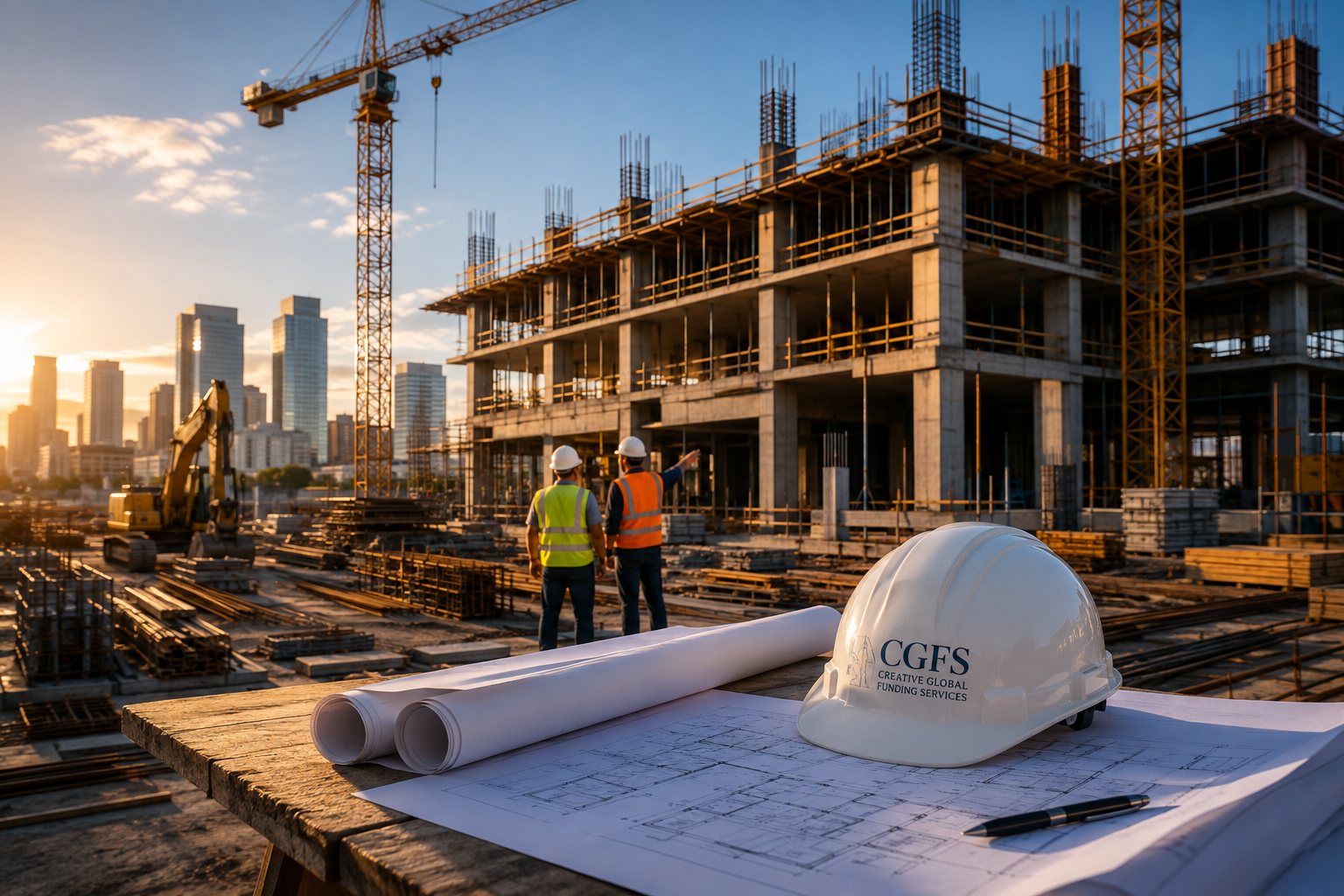
Construction Finance
Construction finance can provide capital for qualified ground-up commercial and multifamily developments. Learn what lenders and investors may review when evaluating a construction project.
Read insight →
How Project Financing Works: A Guide for U.S. Developers
Project finance connects debt and equity to the cash flow, assets, and contracts of a specific development. Learn how the structure works and what U.S. developers need to prepare for underwriting and financial close.
Read insight →
Funeral Home Finance
Funeral home financing can support acquisitions, refinancing, property improvements, equipment purchases and business expansion. Learn what capital providers may review when evaluating a qualified funeral service business.
Read insight →