
Large Equipment Financing: A Strategic Guide to Business Growth | CGFS
Learn how large equipment financing can preserve working capital, increase capacity, and support sustainable business growth. Explore key structures and qualification factors.
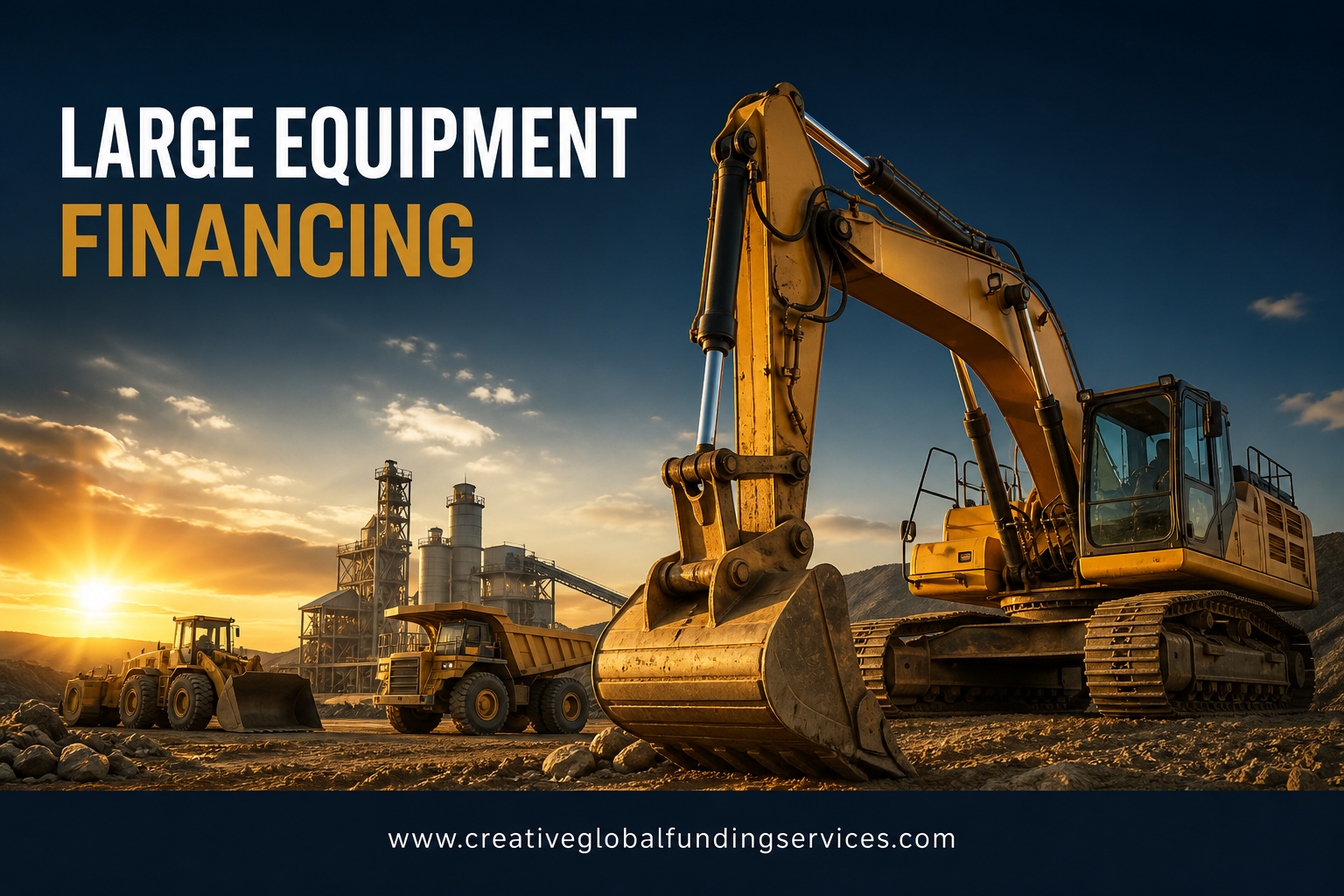
For equipment-intensive businesses, growth often depends on acquiring the assets needed to produce more, complete larger contracts, enter new markets, or operate more efficiently. The challenge is that heavy machinery, transportation assets, specialized technology, and industrial systems can require a substantial upfront investment.
Large equipment financing can help qualified businesses acquire essential assets while preserving capital for payroll, inventory, sales, and other operating priorities. When structured around the useful life and revenue potential of the equipment, financing can transform a major capital expense into a manageable growth investment.
This guide explains how large equipment financing works, which structures may be available, what capital providers evaluate, and how business owners can prepare a stronger funding request.
What Is Large Equipment Financing?
Large equipment financing is capital used to acquire, refinance, or unlock value from high-cost business assets. Depending on the transaction, the equipment may serve as collateral, and repayment may be structured over a period that reflects the asset’s expected economic life.
Commercial equipment financing may support assets such as:
- Construction machinery, cranes, excavators, and earthmoving equipment
- Manufacturing lines, robotics, and industrial automation
- Trucks, trailers, aircraft, marine vessels, and logistics fleets
- Medical, laboratory, and diagnostic equipment
- Agricultural, forestry, and mining machinery
- Energy, infrastructure, and power-generation equipment
- Data-center hardware, telecommunications systems, and enterprise technology
- Printing, packaging, food-processing, and material-handling systems
Large transactions may involve more than a straightforward equipment loan. They can require customized repayment terms, multiple asset classes, staged purchases, cross-border considerations, or a combination of equipment financing and working capital.
How Equipment Financing Supports Business Growth
The strongest equipment financing strategy begins with a business objective—not simply a desire to own another asset. The equipment should solve a defined operational constraint or create measurable economic value.
1. Increase Production Capacity
When existing machinery is operating near its limit, new equipment can remove bottlenecks, increase output, and allow a company to accept more orders. Financing spreads the acquisition cost over time while the asset begins contributing to revenue.
2. Preserve Working Capital
Paying cash for expensive equipment may reduce interest expense, but it can also leave a business short of liquidity. Financing allows the company to retain cash for wages, raw materials, inventory, marketing, maintenance, and unexpected costs.
3. Pursue Larger Contracts
A contractor, manufacturer, transportation company, or project operator may need additional equipment before it can mobilize for a new contract. The right financing structure can help bridge the timing gap between acquiring the required assets and receiving project revenue.
4. Improve Efficiency and Margins
Modern equipment may reduce labor hours, energy consumption, waste, maintenance expense, or production downtime. These operating improvements can strengthen margins and help offset the financing cost.
5. Replace Aging or Obsolete Assets
Older equipment can create unpredictable repair costs and production interruptions. Replacing it with more reliable or technologically advanced assets may improve uptime, safety, quality control, and competitiveness.
6. Expand Into New Markets
Specialized equipment may allow a company to add a product line, serve a new customer segment, enter another region, or bring outsourced work in-house. In these cases, equipment financing becomes part of a broader expansion strategy.
Common Large Equipment Financing Structures
The appropriate structure depends on the asset, business, jurisdiction, cash flow, transaction size, and ownership objective. Common approaches include the following.
Equipment Term Loan
An equipment term loan provides capital to purchase an asset, with scheduled repayment over an agreed period. The borrower generally owns the equipment, and the lender may take a security interest in it. This structure can suit businesses that expect to use the asset for many years and want long-term ownership.
Equipment Lease
With an equipment lease, the financing party owns the asset while the business pays to use it. End-of-term options vary and may include returning, renewing, or purchasing the equipment. Leasing may be attractive when conserving upfront cash or regularly upgrading equipment is a priority.
Equipment Finance Agreement
An equipment finance agreement can offer loan-like economics with fixed payments and ownership treatment defined by the contract. The exact accounting, legal, and tax consequences should always be reviewed with qualified advisers.
Sale-Leaseback
A sale-leaseback allows a business to sell equipment it already owns to a financing provider and lease it back for continued use. This can release capital tied up in productive assets and provide liquidity for expansion, acquisitions, debt restructuring, or operating needs.
Asset-Based or Structured Financing
For larger or more complex needs, equipment may be financed as part of a broader facility supported by receivables, inventory, real estate, contracts, or other assets. Structured capital may be relevant when the equipment purchase is one component of a major expansion or project.
Vendor or Staged Financing
Large installations are often paid for in stages—such as deposit, manufacturing milestones, delivery, commissioning, and final acceptance. A financing structure may need to coordinate with the vendor contract and fund according to that schedule.
Loan or Lease: Which Is Better?
Neither is universally better. A loan may make more sense when the equipment has a long useful life, retains value, and is expected to remain central to operations. A lease may deserve consideration when technology changes quickly, flexibility matters, or the business wants to reduce its initial cash commitment.
Before deciding, compare:
- Total cost over the full term
- Required deposit or borrower contribution
- Monthly, quarterly, or seasonal payment obligations
- Fixed versus variable pricing
- Ownership and end-of-term options
- Equipment obsolescence and residual-value risk
- Maintenance, insurance, and warranty responsibilities
- Prepayment terms and early-termination costs
- Accounting and tax treatment in the relevant jurisdiction
- Currency exposure for cross-border purchases
The lowest periodic payment is not always the best economic choice. Decision-makers should evaluate the complete structure and how it fits projected cash flow.
What Capital Providers Evaluate
For large equipment financing, approval depends on more than the value of the machinery. Lenders and other capital providers commonly assess the entire transaction, including:
- Historical and current financial performance
- Existing debt and the company’s ability to service additional obligations
- Revenue stability, customer concentration, and contract visibility
- Management and sponsor experience
- The purpose, condition, age, and useful life of the equipment
- Purchase price, independent valuation, and expected resale market
- Vendor reputation and delivery schedule
- Required deposit, equity contribution, or additional collateral
- Insurance, maintenance, storage, and operating plans
- The expected financial benefit of the equipment
- Industry conditions and geographic or jurisdictional risk
Used, highly specialized, custom-built, or difficult-to-resell equipment may require additional diligence or a different structure. International transactions can also involve import rules, taxes, currency risk, registration, and cross-border security requirements.
How to Prepare a Strong Equipment Financing Request
A well-organized request helps capital providers understand both the asset and the growth case behind it. Before approaching the market, assemble a clear package that may include:
A concise financing summary: State the amount requested, intended use, preferred timing, and proposed repayment source.
Equipment details: Include vendor quotes, specifications, serial numbers where applicable, age and condition for used assets, delivery terms, installation costs, and appraisals if available.
Business financials: Provide historical and interim financial statements, tax returns where relevant, current debt schedules, and cash-flow information.
Forward projections: Show realistic assumptions and explain how the equipment will affect revenue, costs, capacity, and debt service.
Commercial support: Include signed contracts, purchase orders, backlog reports, customer commitments, or market evidence supporting the expansion.
Management information: Demonstrate the team’s industry experience and ability to operate, maintain, and monetize the equipment.
Implementation plan: Address delivery, permitting, installation, commissioning, staffing, training, insurance, and the timeline to revenue generation.
The central question is simple: How will this equipment generate enough business value to justify the investment and support repayment?
Mistakes to Avoid When Financing Heavy Equipment
Businesses can improve execution by avoiding several common errors:
- Focusing only on the interest rate instead of total cost and contract terms
- Underestimating freight, installation, training, insurance, and maintenance expenses
- Choosing a repayment schedule that does not match seasonal or project-based cash flow
- Financing equipment for longer than its practical useful life
- Failing to budget for the period between delivery and revenue generation
- Providing incomplete or inconsistent financial information
- Ordering equipment before confirming that funding, approvals, and closing conditions are achievable
- Ignoring currency, import, legal, or tax considerations in cross-border transactions
Early preparation creates more time to compare structures, resolve diligence issues, and coordinate funding with the equipment delivery schedule.
Why Access to a Broader Capital Network Matters
Traditional banks can be an appropriate source of equipment financing, but lending policies may be constrained by transaction size, industry appetite, jurisdiction, collateral requirements, or the complexity of a growth plan.
Private lenders, institutional investors, family offices, and alternative capital providers may evaluate opportunities through different criteria or offer more customized structures. For a qualified business, access to a broader market can be particularly valuable when the transaction involves multiple assets, rapid expansion, international operations, or a financing need that extends beyond the equipment itself.
Creative Global Funding Services works with established companies, sponsors, and project owners seeking USD $1 million or more in capital. Our team evaluates qualified requests and connects clients with relevant private lenders, institutional investors, family offices, and alternative capital providers worldwide.
Turn Essential Equipment Into Productive Growth
Large equipment financing is most effective when capital structure and business strategy work together. The objective is not merely to acquire machinery—it is to add productive capacity while maintaining the financial flexibility needed to execute the larger growth plan.
If your business is planning a significant equipment purchase, fleet expansion, manufacturing upgrade, or asset-intensive project, Creative Global Funding Services can review the opportunity and help identify relevant financing pathways.
Seeking USD $1 million or more for equipment or business expansion? Submit a confidential funding request to begin the initial review process.
Financing is subject to independent underwriting, due diligence, documentation, acceptable terms, and final approval by the applicable capital provider. Submission does not guarantee approval, closing, or funding. Businesses should consult their own legal, tax, and accounting advisers before entering a financing transaction.
Frequently Asked Questions About Large Equipment Financing
What Is Considered Large Equipment Financing?
The definition varies by lender and market. At Creative Global Funding Services, funding requests are generally considered when the total capital requirement is USD $1 million or more. The request may cover one major asset, a group of assets, a fleet, a complete production line, or equipment within a broader expansion plan.
Can Used Heavy Equipment Be Financed?
Potentially. Capital providers may consider the equipment’s age, condition, valuation, remaining useful life, maintenance history, and resale market. Older or highly specialized assets may require more equity, additional collateral, or a shorter term.
Can Equipment Financing Include Installation and Related Costs?
In some transactions, eligible soft costs such as delivery, installation, testing, and training may be considered. Availability depends on the financing structure and capital provider, so these costs should be identified clearly at the beginning.
Is Collateral Required for Equipment Financing?
The financed equipment commonly serves as collateral, but a provider may request a deposit, personal or corporate guarantees, additional business assets, or other credit support. Requirements depend on the borrower, asset, jurisdiction, and transaction.
How Long Does Large Equipment Financing Take?
Timing varies with complexity, documentation readiness, appraisal requirements, legal review, jurisdiction, and lender diligence. CGFS typically conducts an initial review of a sufficiently documented, qualified request within 24–48 hours; that initial review is not a financing approval or closing timeline.
Can Equipment and Working Capital Be Financed Together?
Potentially. A broader structure may combine equipment financing with working capital or another facility when the expansion also requires inventory, hiring, installation, or operating liquidity. The right approach depends on cash flow, collateral, and the overall business plan.
More Funding Insights
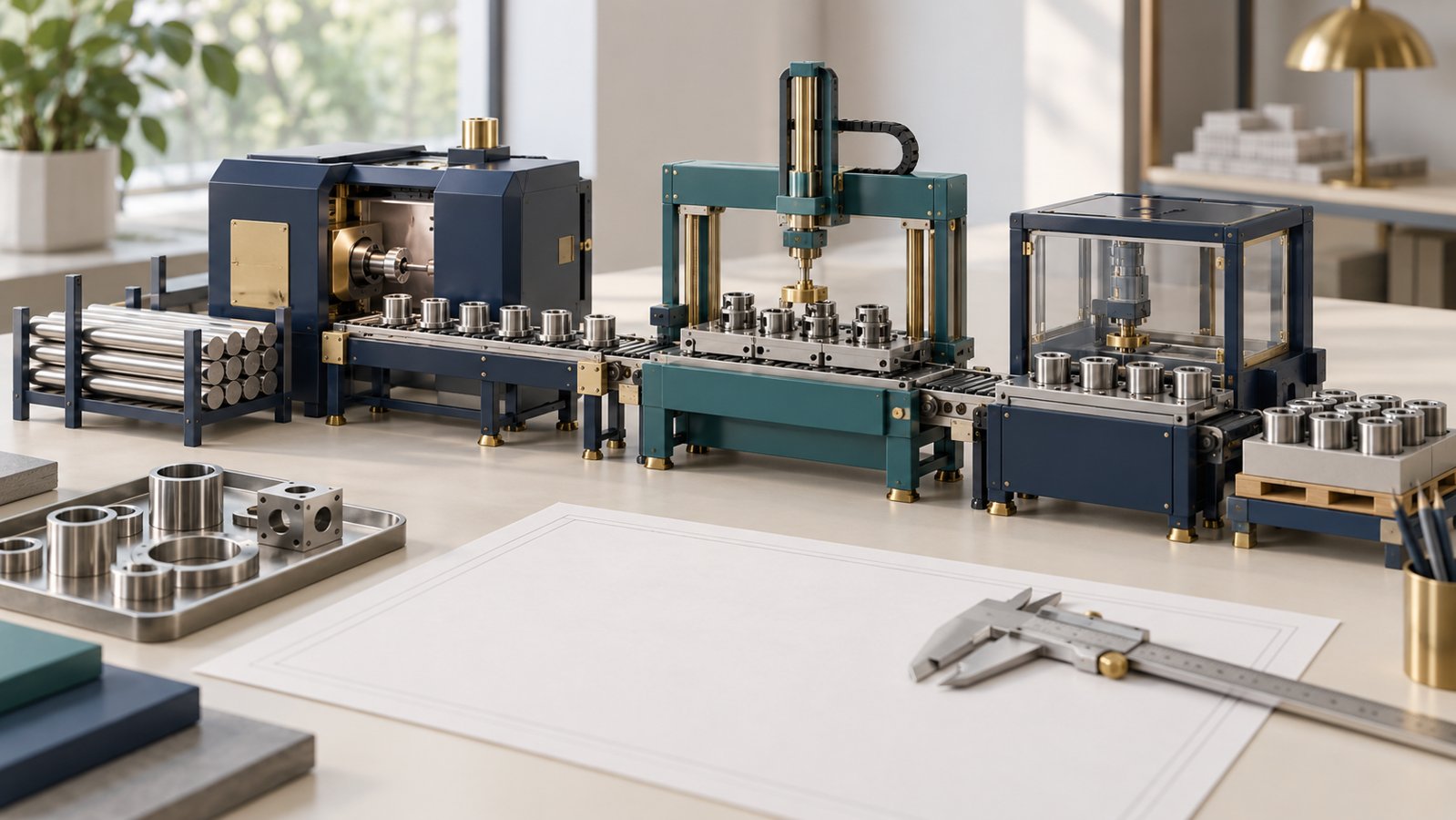
Equipment Expansion Financing: Prove the Capacity and Demand Case
Before financing a larger production line, test the real bottleneck, customer demand and cash timing. Use this example and checklist to prepare a clearer expansion case.
Read insight →
Equipment Installation Budget: Costs Beyond the Purchase Price
Build an equipment installation budget covering delivery, site readiness, commissioning and operating cash, with a worked example and funding checklist.
Read insight →
Equipment Financing Quotes: A Payment Comparison Worksheet
Compare equipment financing quotes using upfront cash, scheduled payments, final obligations and ownership. Includes a worked example and practical checklist.
Read insight →