
Mining Finance
Mining finance is critical to the development and operation of a mining venture. Learn what capital providers may review when evaluating qualified mining projects and how sponsors can prepare a stronger funding request.
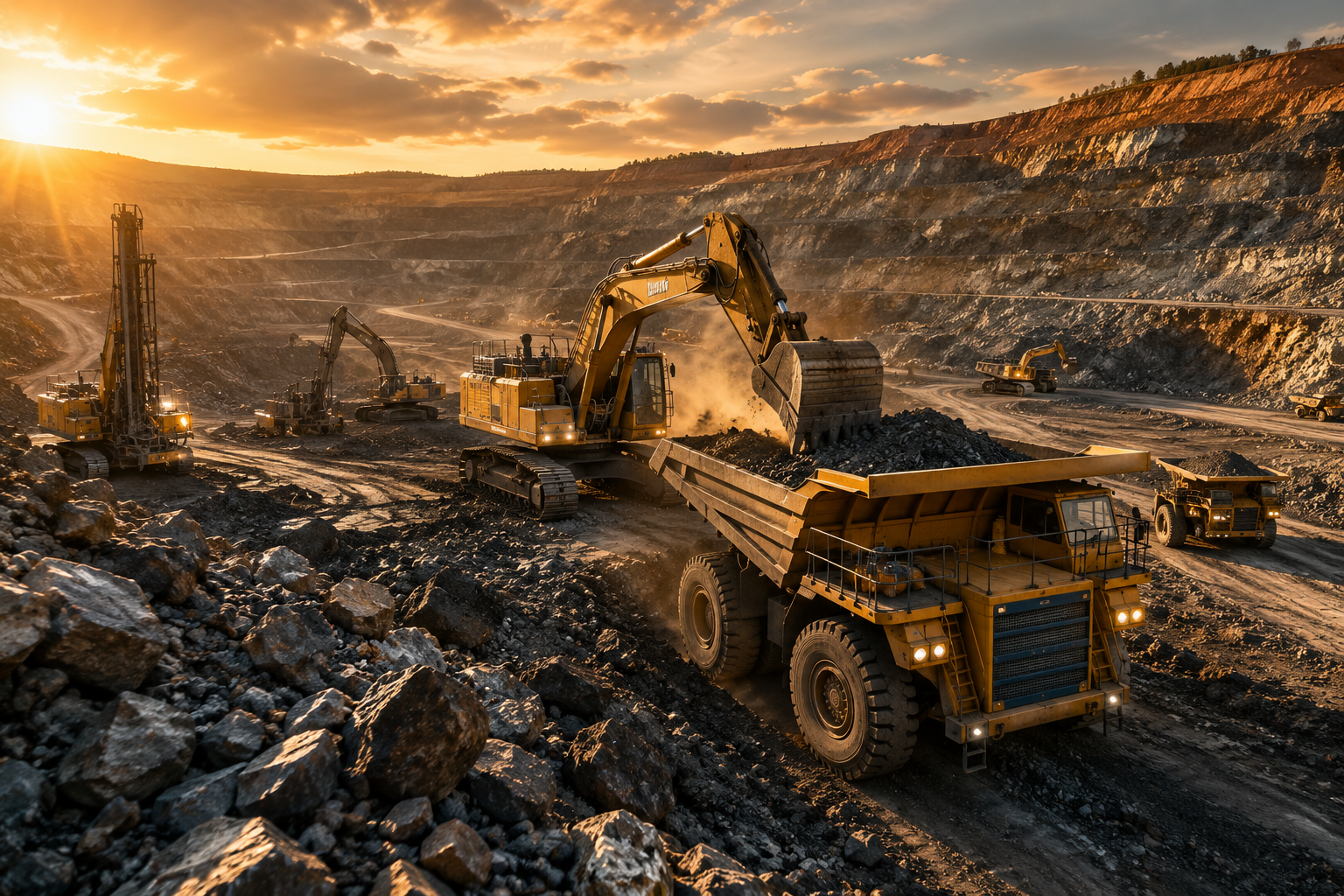
Mining finance is a critical component in the development, expansion, and operation of a mining venture. Mining projects can require substantial capital long before a property reaches commercial production, making preparation, financial planning, project documentation, and access to appropriate capital sources especially important.
Creative Global Funding Services works with qualified project sponsors, businesses, and investors seeking access to private lenders, institutional investors, family offices, private equity groups, and alternative capital providers.
Every mining opportunity is different. The availability and structure of financing may depend on the project stage, mineral resource, jurisdiction, management experience, economics, permits, security, existing infrastructure, environmental requirements, and the amount of sponsor capital already committed.
Market Analysis and Project Viability
A mining funding request should begin with a clear understanding of the project's market and commercial potential.
Capital providers may consider the commodity being produced, historical and projected prices, global and regional demand, expected production volumes, transportation requirements, potential customers, and the competitiveness of the project.
Sponsors should be prepared to explain why the project is commercially viable and how the proposed operation fits within the broader market.
For projects that are further along in development, independent geological reports, feasibility studies, technical assessments, and reserve or resource information may play an important role in the review.
Developing a Comprehensive Business Plan
A professionally prepared business plan helps potential lenders and investors understand the mining venture, its objectives, and the path toward commercial operations.
The business plan may include:
Project overview and ownership structure
Management and technical team experience
Property and mineral rights
Exploration or development history
Geological and technical information
Development strategy
Production plans
Capital requirements
Operating assumptions
Market analysis
Financial projections
Environmental and regulatory considerations
Risk assessment
Proposed use of funds
The information required will vary depending on whether the opportunity involves exploration, development, construction, an operating mine, an acquisition, or expansion of an existing operation.
Estimating Project Costs
A realistic cost estimate is essential when seeking mining finance.
Mining projects can involve significant expenditures for exploration, engineering, development, equipment, construction, labor, processing facilities, transportation infrastructure, power, water, permitting, environmental compliance, and working capital.
Sponsors should clearly distinguish between capital expenditures and ongoing operating expenses.
Depending on the project, a financing request may need to account for:
Exploration costs
Mine development
Processing facilities
Heavy equipment
Roads and transportation
Power generation or connection
Water infrastructure
Labor and contractors
Environmental work
Permits and professional services
Contingency reserves
Working capital
Interest and financing costs
Capital providers will generally want to understand how the requested funds fit into the total project budget.
Mining Funding Structures
There is no single financing structure suitable for every mining venture.
Depending on the project and stage of development, potential capital structures may include senior debt, secured project finance, private equity, joint-venture capital, equipment finance, subordinate capital, or other structured financing arrangements.
Certain projects may also consider industry-specific structures such as royalty financing, streaming arrangements, or off-take agreements.
The appropriate structure depends on factors such as project economics, asset value, development stage, cash flow, sponsor equity, available collateral, commodity exposure, and the requirements of the capital provider.
Early-stage exploration projects may rely more heavily on equity and strategic investment because there may not yet be sufficient operating cash flow to support conventional debt.
A producing operation with established revenue may have access to a different range of financing alternatives.
Presenting the Opportunity to Investors and Lenders
A strong funding presentation should communicate the opportunity clearly and professionally.
Potential capital providers need enough information to understand both the potential return and the risks associated with the project.
A mining finance presentation may include:
Executive summary
Funding amount requested
Proposed use of funds
Project location
Ownership and corporate structure
Management biographies
Geological information
Resource or reserve information where applicable
Engineering and technical reports
Project economics
Development timeline
Financial projections
Existing debt
Sponsor investment
Proposed security
Repayment or exit strategy
Complete and organized information can make an initial review more efficient.
Legal, Regulatory, and Environmental Considerations
Mining operations are subject to significant legal and regulatory requirements.
Depending on the jurisdiction, a project may require exploration rights, mining licenses, environmental approvals, land access agreements, construction permits, water rights, operating permits, or approvals from multiple levels of government.
Capital providers may review whether required rights and approvals are already in place and what additional approvals are necessary before development or production can proceed.
Environmental obligations can also materially affect project costs, timing, and financing.
Sponsors should be prepared to explain environmental management plans, reclamation obligations, community considerations, and other regulatory requirements relevant to the project.
Financial Projections and Cash Flow
Financial projections help lenders and investors evaluate whether a mining project may be economically sustainable.
Depending on the stage of the operation, projections may address:
Production volumes
Commodity pricing assumptions
Revenue
Operating expenses
Capital expenditures
Royalties
Taxes
Debt service
Working capital
Cash flow
Break-even assumptions
Sensitivity to commodity prices
Capital providers may also stress-test projections against changes in production, costs, commodity prices, exchange rates, and development schedules.
Realistic assumptions are generally more valuable than overly optimistic projections.
Risk Management
Mining ventures can face technical, financial, environmental, regulatory, market, and operational risks.
Potential risks may include:
Commodity price volatility
Geological uncertainty
Construction delays
Equipment failure
Cost overruns
Permitting delays
Environmental issues
Political or jurisdictional risk
Currency fluctuations
Infrastructure limitations
Labor availability
Changes in market demand
A strong financing proposal should identify significant risks and explain how the project team intends to manage them.
Equity and Sponsor Commitment
Capital providers frequently consider the amount of equity already invested by project sponsors.
Sponsor investment can demonstrate commitment to the project and provide a financial cushion before outside capital is introduced.
The ownership structure should also be clearly documented.
Potential investors may want to understand existing shareholders, ownership percentages, outstanding obligations, previous financing rounds, and how a proposed new investment could affect the capital structure.
Partnerships and Joint Ventures
Strategic partnerships can play an important role in mining development.
A project may benefit from relationships with established mining companies, technical partners, equipment suppliers, commodity purchasers, or investors with industry experience.
Joint ventures may provide access not only to capital, but also to operating expertise, technical resources, distribution relationships, and industry knowledge.
Any proposed joint venture should clearly define ownership, management responsibilities, capital contributions, economic participation, and decision-making authority.
Due Diligence
Mining finance can involve extensive due diligence.
Interested lenders and investors may engage legal, financial, geological, engineering, environmental, and other professional advisers before making a final financing decision.
Sponsors should be prepared to provide accurate and current documentation and answer detailed questions regarding the project.
Due diligence does not guarantee funding. Every capital provider applies its own underwriting standards and determines independently whether a transaction meets its requirements.
Social and Environmental Responsibility
Responsible mining practices are increasingly important to investors, lenders, governments, local communities, and other stakeholders.
Project sponsors may need to demonstrate how they intend to address environmental protection, worker safety, community relations, reclamation, and responsible resource development.
The nature and extent of these requirements will vary significantly by location and project.
Alternative Mining Finance Structures
Mining is one of the sectors where alternative capital structures can sometimes complement traditional debt or equity.
Depending on the project, these may include:
Royalty financing
Streaming arrangements
Off-take financing
Equipment financing
Joint ventures
Strategic equity investment
Structured debt
Private credit
Each structure can have different implications for ownership, cash flow, future production, security, and investor returns.
Professional legal, tax, financial, and technical advice should be obtained before entering into any financing arrangement.
Currency and International Project Risks
Mining projects frequently operate across international markets.
A project may raise capital in one currency, incur development expenses in another, and ultimately sell commodities priced in a global currency.
Exchange-rate movements can therefore affect project economics and debt-service obligations.
International projects may also involve additional considerations relating to political conditions, movement of funds, ownership restrictions, taxation, security interests, and local regulatory requirements.
These factors should be considered early in the financing process.
Preparing a Mining Finance Request
A well-prepared mining finance request gives capital providers a clear picture of the opportunity.
Depending on the project, useful supporting documentation may include:
Business plan
Corporate documents
Management biographies
Geological reports
Feasibility studies
Technical reports
Development budget
Sources and uses of funds
Permits and licenses
Environmental documentation
Financial statements
Financial projections
Existing debt information
Ownership structure
Project timeline
Evidence of sponsor equity
Proposed repayment or exit strategy
Creative Global Funding Services evaluates qualified business and project funding opportunities and connects appropriate applicants with potential capital sources from its network.
Mining opportunities are reviewed individually because project stage, jurisdiction, economics, commodity, documentation, management experience, and current lender or investor appetite can all influence the availability of capital.
Applicants seeking USD $1 million or more for a qualified mining project may submit a funding request for an initial review.
Submission does not guarantee lender or investor interest, approval, closing, or funding. All transactions remain subject to independent due diligence, underwriting, acceptable terms, documentation, and final approval.
More Funding Insights

Mine Closure Costs: Plan Financial Assurance and Cash Needs
Prepare a clearer mining funding request by separating closure cost estimates, financial assurance and cash requirements, with a worked example and checklist.
Read insight →
Mineral Resources vs Reserves: A Mining Funding Evidence Guide
Understand mineral resources versus reserves and prepare a traceable mining funding summary, with a worked example, evidence register and practical checklist.
Read insight →
Mining Project Funding: Budget for the Next Milestone
Connect a mining funding request to a defined technical milestone, a supported budget and a clear decision point, with an illustrative funding-gap calculation.
Read insight →